
Dental Practice Expansion Financing
Finance added operatories, hygiene columns, and second locations — the rooms themselves, plumbed and equipped, funded as each one comes online. Projects we fund typically run $200,000–$500,000, funded as each operatory is plumbed and equipped.
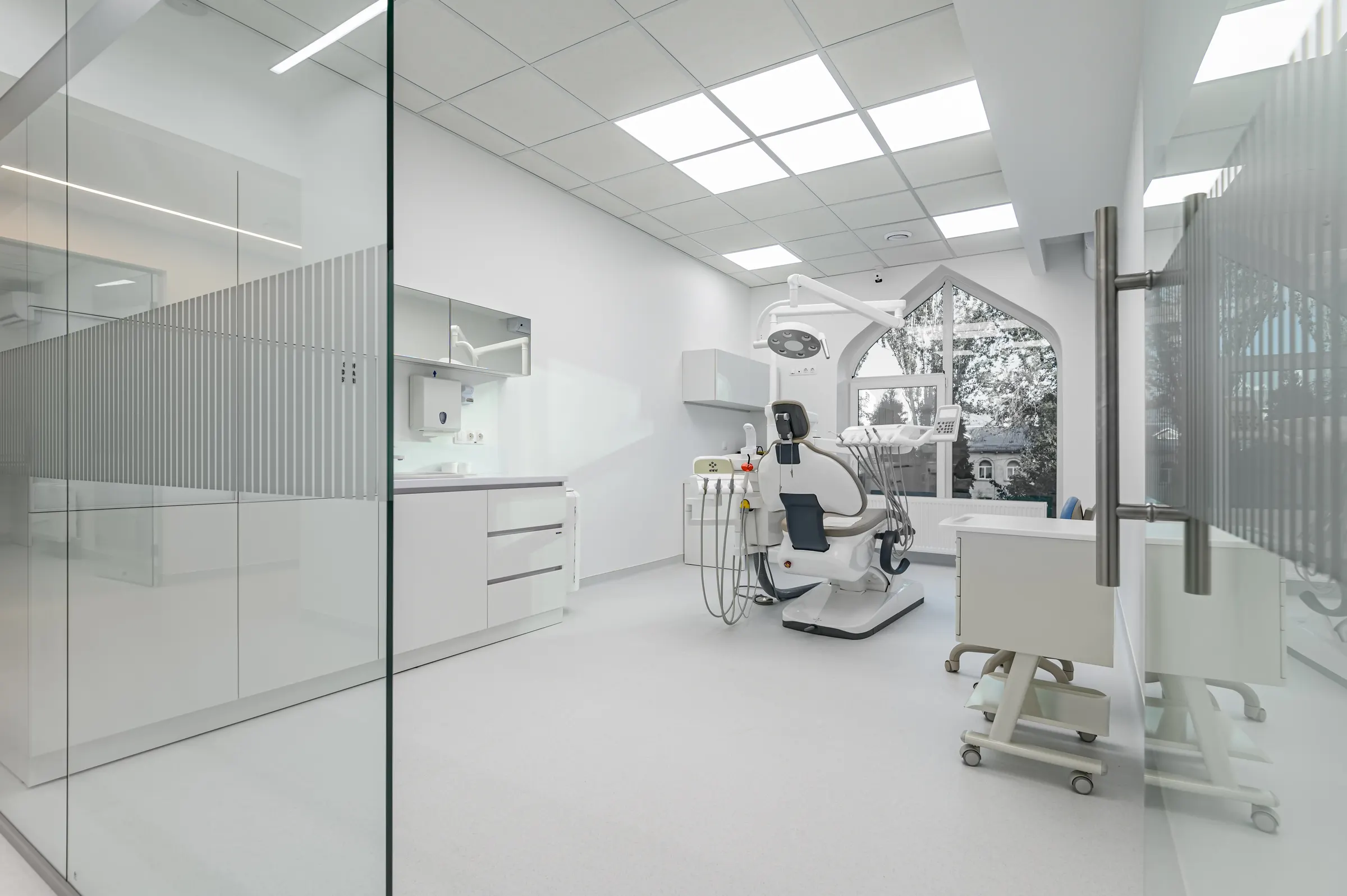
The Practice Expansion Reality
An expanding practice is constrained by rooms, not equipment. A build laid out for four operatories that now needs seven has a plumbing and cabinetry problem before it has a chair problem, and the work has to happen without closing the practice that is paying for it. That is what separates this from replacing a piece of equipment: the scope is the room — plumbed, wired, cabinetted, and equipped — and the rooms open one at a time.
What an Expansion Package Covers
- Additional operatories — chairs, delivery units, and lights
- Hygiene columns and dedicated hygiene rooms
- Plumbing, vacuum, and air line extension to new rooms
- Cabinetry, millwork, and operatory casework
- Imaging and instrument inventory for the added rooms
- Second-location and DSO add-on equipment packages
How the Draws Work
One approval, funded in phases — the schedule follows the project rather than a delivery date.
1 · Shell & Rough-In
Plumbing, vacuum and air lines, and electrical are extended into the rooms — usually the part of an expansion that has to happen around a practice still seeing patients.
2 · Operatory Equipment
Chairs, delivery units, lights, and cabinetry are installed room by room, so each operatory can be brought into use as it finishes rather than waiting for all of them.
3 · Open the Rooms
Imaging, software licenses, and the added instrument inventory come online and the rooms enter the schedule. Payments follow the rooms rather than the contract date.
Payment Structures
The differentiation: four ways to own the same equipment, engineered to your cash flow. Compare them side by side on our structures page.
Operating Lease
Off-balance-sheet treatment with end-of-term flexibility — return, renew, or purchase. Often the right answer when technology cycles or accounting outcomes drive the decision.
$1 Buyout Lease
Own the equipment for one dollar at term end. Fixed payments, full Section 179 eligibility, and a clean path to ownership.
Seasonal & Step Payments
Payments that follow your revenue curve — lighter in slow months, heavier in peak season, or stepping up as new equipment ramps to full production.
Usage-Based & As-a-Service
Payments tied to hours, output, or consumption. The category Elevex is defining: pay for what equipment achieves, not what it costs.
How It Works
Three steps from scope to funded.
1 · Bring the Scope
A budget, a floor plan or build spec, and the timeline you're working to. Not a single quote — the whole project, however many vendors it runs across.
2 · Structure the Draws
A finance professional maps the funding to the project's milestones, so money lands when each phase needs it and payments start when the facility earns.
3 · Fund Each Phase
Vendors are paid as phases clear. One approval and one schedule carry the project instead of a separate application every time the scope moves forward.
Common Questions
How is this different from the dental equipment page?
Second location or more chairs in the current one?
Can one facility cover equipment from several vendors?
Which parts of a practice expansion qualify for Section 179?
How fast can dental practice expansion financing close?
Related Reading
Payment engineering and structure strategy from the Elevex Insights library.
Payment engineering vs. equipment financing
What smart finance teams know that banks don't
Weak Collateral. No Upfront Cash. No Problem.
How Elevex turned a stalled software deal into a single monthly payment when the bank walked away.
Ready to fund your practice expansion?
Payments built on outcomes, from the team that knows your industry. Equipment sellers: offer financing at the point of sale with CapVex.