
Franchise Conversion Financing
Finance a conversion to a new brand — kitchen changeover, technology, and exterior rebrand — with the restaurant's existing trade as the strength. Projects we fund typically run $300,000–$800,000, drawn across the changeover while the restaurant keeps trading.
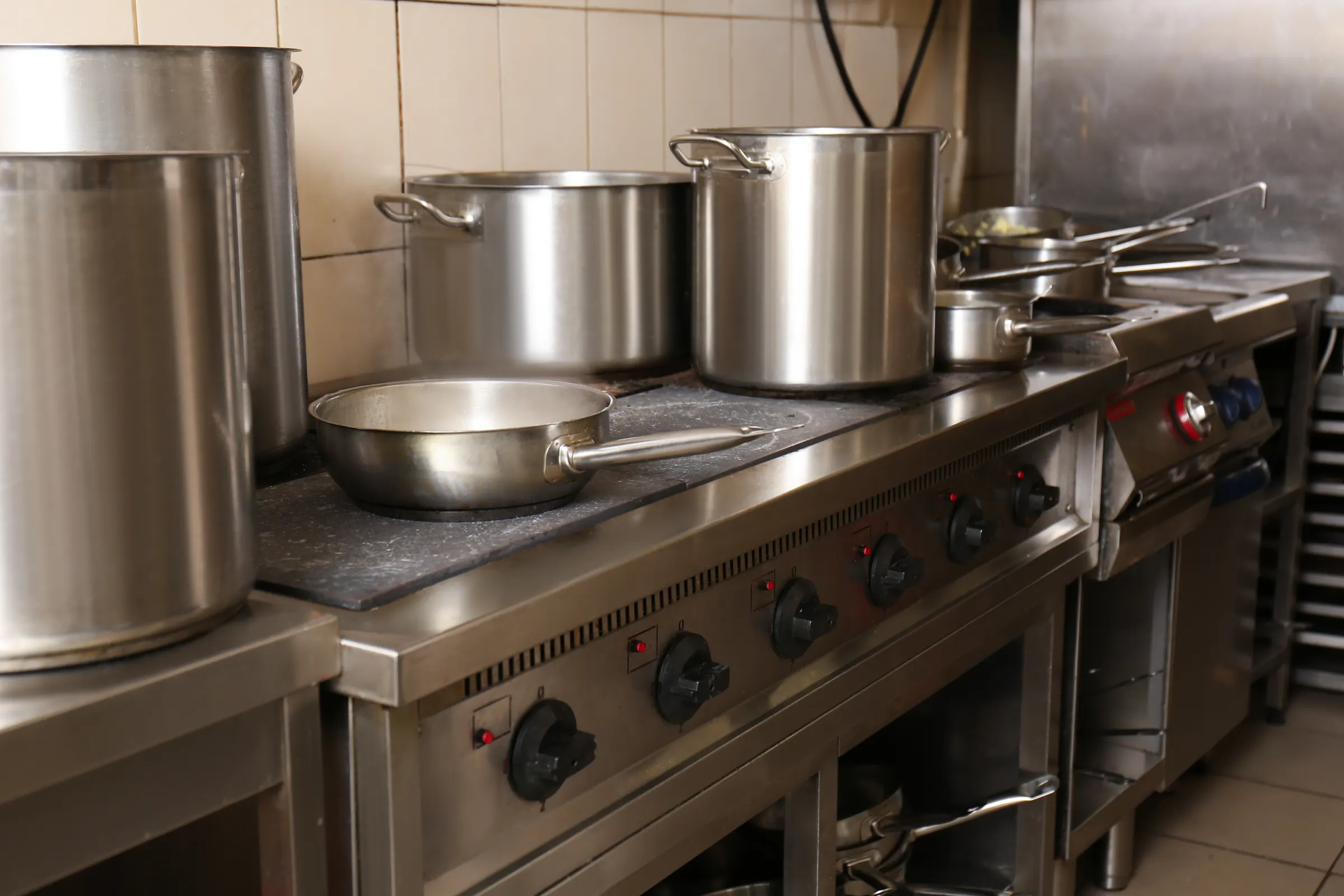
The Franchise Conversion Reality
A conversion starts with a working restaurant, which is both the advantage and the complication. There is real trade history to underwrite against — unusual for a project of this size — but the operator inherits a kitchen and a building designed for something else and has to bring both to a specification written by a brand they have just signed with. The gap between what is there and what is required is the whole project, and it is rarely known precisely until someone walks the building with the new brand's standard in hand.
What a Conversion Package Covers
- Kitchen equipment brought to the incoming brand's specification
- Refrigeration, storage, and production line changes
- POS, drive-thru, and technology changeover
- Dining room refit, millwork, and brand interior elements
- Exterior rebrand, signage, and building modifications
- Smallwares, opening inventory, and installation
How the Draws Work
One approval, funded in phases — the schedule follows the project rather than a delivery date.
1 · Survey the Gap
The incoming brand's specification is compared against the kitchen and building that already exist, which is the number nobody has at the start: what carries over, what has to be replaced, and what has to be added.
2 · Changeover
Kitchen equipment, technology, and the dining room are brought to spec in the shortest closure the project allows, with exterior and signage sequenced around the brand's launch requirements.
3 · Reopen Under the Flag
Final inspections, brand certification, and reopening. Payments move to full as the restaurant trades under the new name.
Payment Structures
The differentiation: four ways to own the same equipment, engineered to your cash flow. Compare them side by side on our structures page.
Operating Lease
Off-balance-sheet treatment with end-of-term flexibility — return, renew, or purchase. Often the right answer when technology cycles or accounting outcomes drive the decision.
$1 Buyout Lease
Own the equipment for one dollar at term end. Fixed payments, full Section 179 eligibility, and a clean path to ownership.
Seasonal & Step Payments
Payments that follow your revenue curve — lighter in slow months, heavier in peak season, or stepping up as new equipment ramps to full production.
Usage-Based & As-a-Service
Payments tied to hours, output, or consumption. The category Elevex is defining: pay for what equipment achieves, not what it costs.
How It Works
Three steps from scope to funded.
1 · Bring the Scope
A budget, a floor plan or build spec, and the timeline you're working to. Not a single quote — the whole project, however many vendors it runs across.
2 · Structure the Draws
A finance professional maps the funding to the project's milestones, so money lands when each phase needs it and payments start when the facility earns.
3 · Fund Each Phase
Vendors are paid as phases clear. One approval and one schedule carry the project instead of a separate application every time the scope moves forward.
Common Questions
Does the restaurant's existing trade help?
How is a conversion different from opening a new location?
Can one facility cover equipment from several vendors?
Which parts of a franchise conversion qualify for Section 179?
How fast can franchise conversion financing close?
Related Reading
Payment engineering and structure strategy from the Elevex Insights library.
Playing chess while your competition plays checkers
Advanced payment strategies for equipment sales
Embedded finance for equipment sellers
Why 24/7 digital financing closes more deals
Ready to fund your franchise conversion?
Payments built on outcomes, from the team that knows your industry. Equipment sellers: offer financing at the point of sale with CapVex.